
Since 2016, Sherrett Food Forest has been producing fruit, herbs, and abundance for community members through regenerative design.
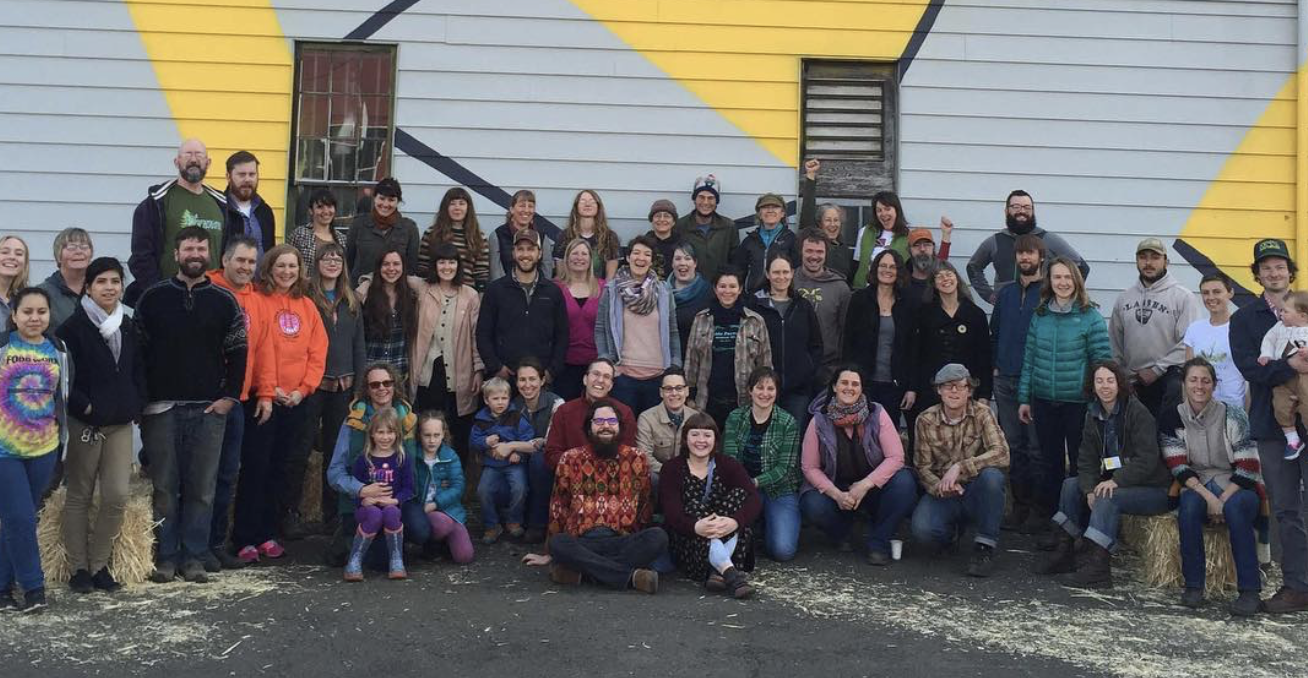
Our vision…
We envision a future where urban neighborhoods are dotted with abundant food forests that provide accessible, climate-resilient food, support biodiversity, and serve as living classrooms. Sherrett Food Forest aims to be a model for how cities can integrate food production, carbon sequestration, and community stewardship into everyday life.
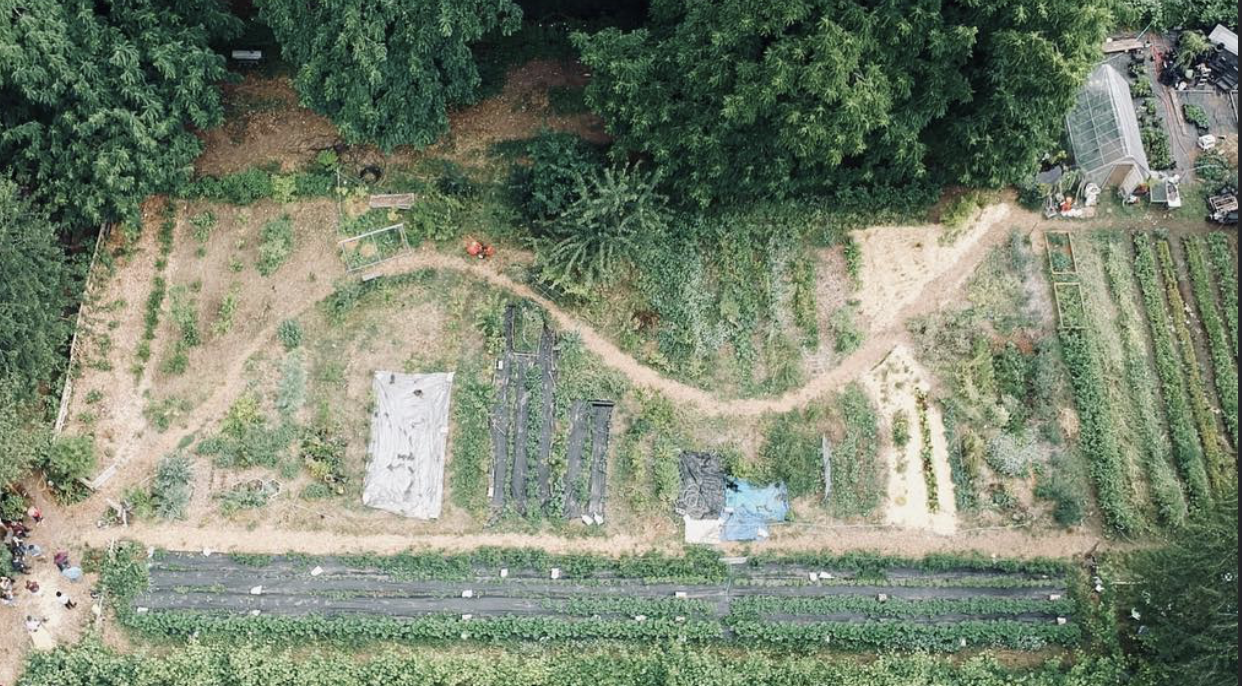
The Sherrett Food Forest is a 0.68-acre urban permaculture site located near the Portland–Milwaukie border. What was once a barren, underutilized lot has been transformed into a diverse and productive ecosystem filled with fruit trees, perennial vegetables, pollinator plants, and interconnected plant guilds.
Founded by Teague Cullen and others—students of permaculture educator Toby Hemenway—the project was inspired by the principles outlined in Gaia’s Garden and shaped by hands-on design training. In 2016, the City of Portland’s Bureau of Planning and Sustainability selected their proposal to steward the land as part of its Climate Action Plan, recognizing the role that perennial agriculture can play in addressing climate change.
Today, the site functions as:
A productive urban farm, growing a wide variety of fruits, herbs, and perennial crops
A demonstration and educational space for permaculture and regenerative gardening practices
A community hub for workshops, volunteer days, and educational events
A living ecosystem, supporting soil health, pollinators, and biodiversity
Sherrett Food Forest reflects a vibrant, diverse edible landscape—layered, abundant, and designed to mimic natural systems—while remaining deeply practical in its goal of feeding people and regenerating land.
Future Projects & Goals
Looking ahead, Sherrett Food Forest is focused on expanding its impact both on-site and beyond:
1. Expanding Food Access
Increase production of nutrient-dense, perennial crops
Develop systems for sharing harvests with the surrounding community
Partner with local organizations to improve equitable food distribution
2. Education & Community Engagement
Host more workshops on permaculture, food forestry, and regenerative practices
Create structured learning opportunities such as internships or apprenticeships
Continue public talks and collaborations that connect climate action with food systems
3. Climate & Ecological Impact
Enhance carbon sequestration through expanded perennial plantings
Improve soil health and water retention across the site
Increase habitat for pollinators and urban wildlife
4. Replication & Advocacy
Serve as a model for other urban food forest projects in the Portland area and beyond
Support policy and planning efforts that integrate food forestry into city landscapes
Share knowledge through partnerships, publications, and community networks
5. Infrastructure & Site Development
Improve pathways, gathering spaces, and accessibility for visitors and volunteers
Develop signage and self-guided educational materials
Add tools and systems that support long-term stewardship of the land